
Rural Doctors Address Suicide Prevention and Education in Tanzania

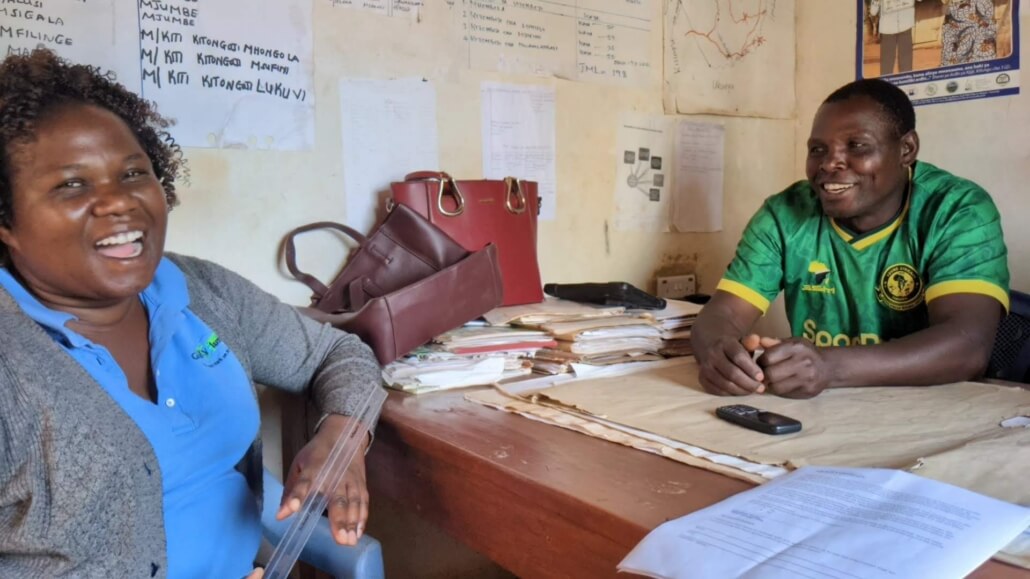
Global Volunteers Co-Founder Michele Gran interviews Dr. Silas Mosha and Jordan Msigwa in Ipalamwa, Tanzania about the challenges of and volunteers’ opportunity to help address suicidal ideation among teens and adults in the Ukwega Ward. An uncommon, but serious death threat in the Ward’s five villages, suicide was identified in 2023 as a priority concern by village leaders, elders and parents. Global Volunteers’ Mental Wellness Initiative was developed with elected officials, medical professionals and religious leaders to design effective responses to local mental health problems.
Although Tanzania’s suicide mortality rate ranks low among African nations, WHO and The World Bank reported a pronounced rise in recent years. From 4.37 per 100,000 country-wide in 2020, deaths rose to just under 6.0 in 2021, a 16.7% increase. Doctor-in-Charge Silas Mosha at the Ipalamwa General Clinic (IGC) says it’s not the whole story, however. Suicide death rates are higher in rural areas, he says – evidence of quick and irreversible responses to the intense pressures of poverty, isolation and sexual violence. The government of Tanzania recognizes suicide as a growing public health crisis, with the Ministry of Health and other agencies implementing targeted programs to address it, especially among youth.
A 2023 Global Volunteers Community Mental Health Assessment conducted by volunteer professionals revealed suicidal ideation as one of four primary areas of concern among villagers and local leaders along with depression, alcohol abuse and gender-based violence.
“The relatively small number of people experiencing serious suicidal thoughts represents a significant community health problem.”
– Dr. Silas Mosha, Doctor-in-Charge, Ipalamwa General Clinic
“Suicide originates from suicidal ideation, meaning a person having thoughts, ideas, or wishes about ending his/her life or dying,” explains staff Psychologist Jordan Msigwa. “It’s a symptom of deep emotional pain or a mental health condition, not a character flaw. These thoughts can range from fleeting wishes to detailed plans.”

Jordan serves with Global Volunteers staff and volunteers on the Mental Wellness Initiative Committee together with other Tanzanian professionals on local outreach and treatment strategies for families participating in the Reaching Children’s Potential Program (RCP). The unique skills and perspectives of mental health volunteers are invaluable resources throughout the year. Jordan noted that while only a few have specialties in the area of suicidal ideation, volunteer healthcare professionals help local RCP Caregivers assess and refer distressed parents, conduct workshops, and present educational lessons in secondary schools.
“In my observation here in the Ukwega ward, most people are passing through psychological difficulties, especially family and marital violence and conflicts, or long-term stress associated with marital misunderstanding, which may lead to psychological problems as well as suicidal ideations,” Jordan said. One-on-one conversations with compassionate volunteers can be very therapeutic, he said.
Dr. Silas reported the 2026 analysis of deaths by suicide in Tanzania found a disproportionately higher burden among rural populations. “Given that approximately 70 percent of deaths in Tanzania occur outside health facilities, and many community deaths lack medically certified causes, routine facility-based mortality statistics are likely to substantially underestimate the true suicide burden in our District,” Dr. Silas said.
This problem is recognized nationally, he said. While the policy framework exists, Dr. Silas said mental health services are intended to be decentralized to councils and primary care. “But in practice, he said, “implementation, financing, trained personnel, community detection, medicines, psychosocial services and suicide-specific programming remain inadequate.”

Developing a Local Response to a Deeply Personal Problem
Dr. Silas said his attention is keenly focused on data from the community mental health assessment, and the barriers to treatment. “Many people are not yet open to express themselves about the issue of suicide to protect their image in the community or just for the fear of being seen as weak,” he explained. The assessment revealed that the actual number of villagers impacted by suicidal ideation is larger than those who seek help. “The relatively small number of people experiencing serious suicidal thoughts represents a significant community health problem.”
Dr. Silas identifies three populations most at risk for suicide in the Ukwega Ward. Most evident are family men who face severe economic hardship. Pressures from the loss or failure of a farm and the resulting debt can stimulate a spiral of shame, withdrawal and despair resulting in intense marital conflict, alcohol abuse and suicidal ideation. This population, said Dr. Silas, is most capable of following through on thoughts of suicide.

Another vulnerable group is female victims of gender-based violence. These women, Dr. Silas said, live with a high level of conflict in the home, including repeated physical and sexual violence, threats of violence, and economic dependence which breeds humiliation and isolation. When a woman is abandoned and unable to care for her children, she may become overwhelmed and unable to see her future.
In many cases, Dr. Silas said, people suffer silently rather than seeking help. In that state of hopelessness, suicide may wrongly appear to them as the only escape from their pain.”
An overlay of alcohol abuse within these two populations, or among those who experience severe depression elevates the vulnerability to suicidal thoughts, says Dr. Silas. “We know that combining alcohol with marital conflict, financial crisis, depression, social isolation or previous suicidal thoughts increases the probability of suicidal ideation or completion.” He said IGC patients are assessed for psychological distress, and those who express or are found to be vulnerable to suicide are referred for additional on-site mental health counseling with Jordan, or consulting psychiatrist Dr. Petro Lusasi.
“IGC at the moment serves as a critical first point of contact for people experiencing suicidal thoughts or following a suicide attempt,” continued Dr. Silas. “Our role is to identify people at risk early, provide immediate medical and psychological care, assess the level of danger, and ensure appropriate treatment and referral when necessary. IGC also has an important preventive role through screening for depression and other risk factors, supporting and treating survivors of GBV and substance abuse, educating families, and following up high-risk patients.”
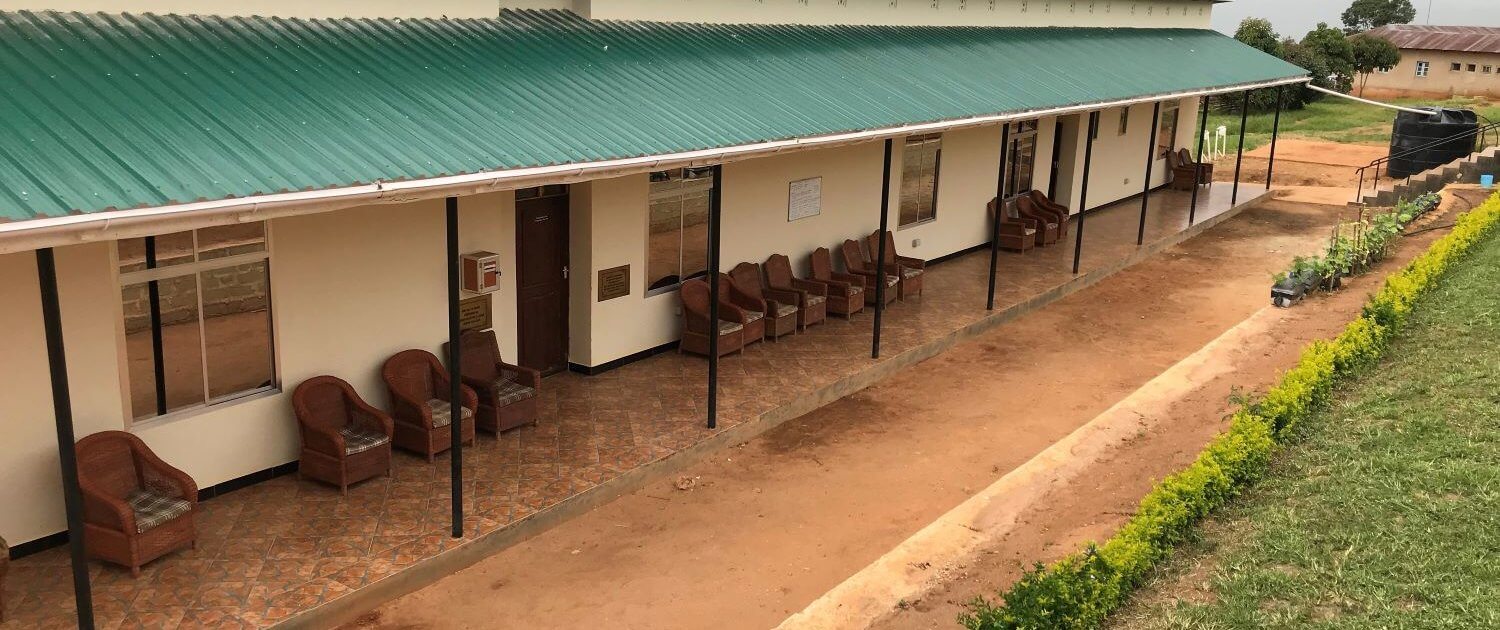
Because IGC is located within the community, he said, medical staff are uniquely positioned to shift the response from waiting for a crisis to occur to identifying and supporting vulnerable people before suicidal thoughts become a suicide attempt or death.
In a nation where only 0.04 psychiatrists and 0.005 psychologists per 100,000 population serve the population – with the fewest in rural areas – this direct access to care through the Mental Wellness Initiative in the Ukwega Ward is unprecedented.
“Community leaders are generally concerned when suicide occurs, but awareness and understanding of suicide prevention and mental health remain limited,” Dr. Silas reflects. “There’s still significant stigma, judgment and misunderstanding, which can prevent individuals and families from openly seeking help. Suicide and depression are often discussed only after a crisis has occurred rather than being recognized early as issues requiring support and intervention.”
He said reducing stigma and equipping community leaders with knowledge and skills to recognize vulnerable individuals is needed to build a more compassionate and supportive community response to suicide. “The biggest limitation in our ability to respond effectively is the absence of a structured and adequately resourced suicide-prevention system at the community level. This makes our response at IGC largely reactive, often intervening only after an attempt has occurred rather than identifying and supporting vulnerable individuals before they reach a crisis.
Community Leaders Address the Core Drivers of Suicide
Following successful outcomes from depression and alcohol abuse education, community leaders in 2024 appealed to Global Volunteers for help to prevent suicides in the Ukwega Ward, said RCP Mental Wellness Education Manager Regina Mhagama. She said the request was daunting at first, but after forming a task force of three Tanzanian and three North American mental health professionals, the Mental Wellness Initiative adopted a strategy for suicide outreach, education and prevention. One of those professionals, psychologist Lisa Adriance, presented a “first responder” suicide education training course for RCP staff and community leaders in the Ukwega Ward in December, 2025.
“Suicide prevention cannot be separated from poverty reduction, GBV prevention, mental-health care, treatment of physical illness, substance-use intervention and strong family and community support. They are different parts of the same problem.”
– Dr. Silas Mosha, Doctor-in-Charge, Ipalamwa General Clinic
Along with identifying the signs and symptoms of suicidal ideation, the course recognizes the interrelatedness of suicide with depression, alcohol abuse and gender-based violence and integrates education.
“Suicide It is usually the final point of a chain of interacting social, psychological, economic, and medical pressures,” Dr. Silas explains. “In a rural community as ours, poverty and insecurity create chronic stress, hopelessness, debt, hunger and family conflict and contribute to depression, anxiety, alcohol and substance misuse, and social isolation. At the same time, chronic illness, pain, disability, pregnancy-related problems and other medical conditions can intensify emotional and financial burdens.”
The relationship is circular rather than linier, he continues. In families, the cycle can repeat when a suicide removes a parent, spouse or income-earner, leaving a family with grief, trauma, stigma and greater poverty, potentially creating new vulnerability among those left behind.
“The essential point is this,” Dr. Silas emphasizes. “Suicide prevention cannot be separated from poverty reduction, GBV prevention, mental-health care, treatment of physical illness, substance-use intervention and strong family and community support. They are different parts of the same problem.”

The Extensive Social Cost of Suicide in Rural Villages
“It’s hard to describe the impact of suicide in the family and community-at-large in few words, but from what we have seen, it’s not simply a ‘one person died’ scenario, Dr. Silas continued. “In a tight community like Ukwega Ward, it always has a ripple effect across families, friends, neighbors, and (beyond).”
Grief is complicated when someone dies by suicide. The immediate family is left with questions such as why didn’t I know? Why did they do it? Could I have prevented it? Was it something I did? How did I fail them?
“In a close-knit village community like ours, these questions can become even more difficult because everybody knows everybody,” Dr. Silas said.
Shame and stigma can become another injury, he continued. “This is particularly important in our environment here at Ukwega Ward. A family may not openly say, ‘our relative died by suicide.’ Instead, they may say that the person ‘died suddenly’ or avoid discussing the circumstances altogether. The family can experience shame, blame, gossip, accusations of neglect, and fear of judgment and isolation.” So in effect, he said, families suffer first the loss of the individual, then the feeling of acceptance and understanding.
If a husband or wife dies by suicide, the surviving spouse may suddenly become totally responsible for caring and providing for the family while they’re grieving. A secondary emotional crisis occurs when the spouse feels betrayed by the suicide, and can lead to suicidal thoughts of their own.
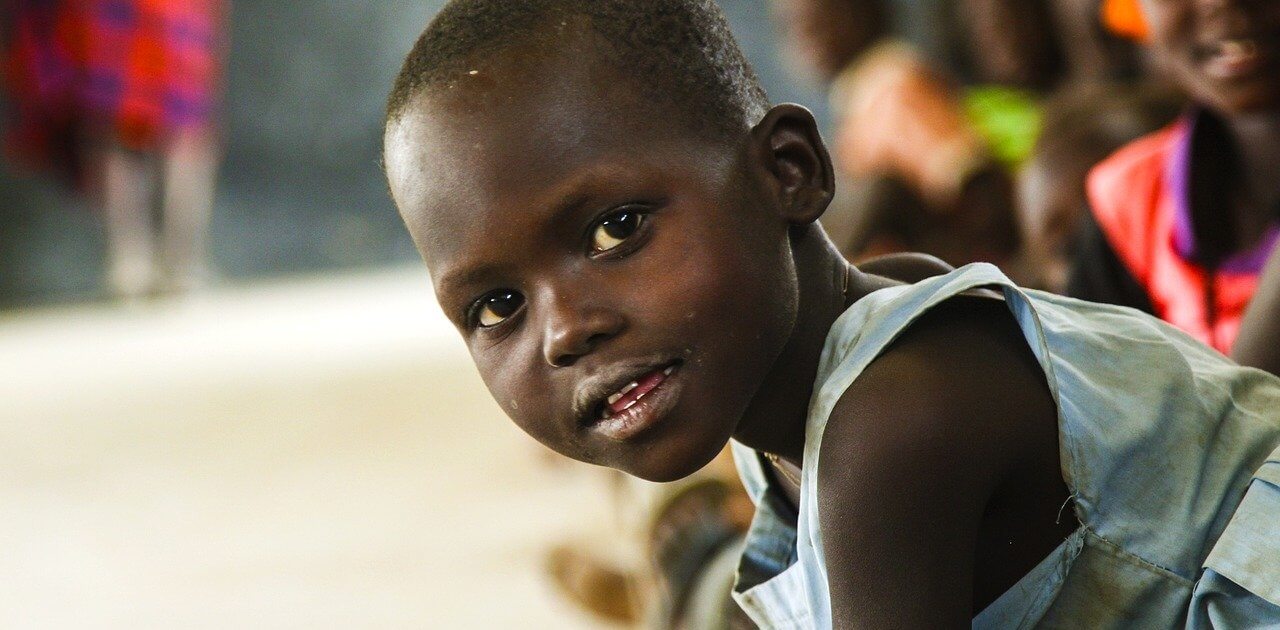
“The area of my greatest concern in Ukwega Ward is the effect of suicide on children,” Dr. Silas reflected. “A child who loses a parent to suicide doesn’t only lose a caregiver.” They also lose their foundational sense of security and emotional support. Their physical safety almost always is affected through loss of family income, as is their educational opportunities.
“At some point, they may ask “why did my father or mother leave us?” And some children may internalize the event. So there is a potential intergenerational effect.”
In the Ukwega Ward, said Dr, Silas, a suicide is unlikely to remain a private family event.
“People talk. Children hear. Neighbors know. Friends know how it happened. Church members know. Village leaders know. Health workers know. Teachers may know. How people respond influences the way the community thinks about suicide. That brings me to my most serious concern that a dangerous ‘normalization’ effect can occur. People may hear ‘he killed himself because of debts, she killed herself because of her husband, that young man couldn’t handle his problems.’ Suicide can gradually become perceived as one of the possible solutions to unbearable problems. We must help families understand that depression and suicidal thoughts are health concerns that require early support rather than silence or shame.”
Volunteer Professionals Help Break the Cycle of Suicidal Ideation
The Mental Wellness Initiative is intensely focused on strategies to train community leaders and health workers to recognize depression, GBV, alcohol abuse and warning signs of suicide early. Since 2021, the program has enabled short-term volunteers to participate intimately in this process by presenting educational workshops, providing one-on-one and group therapy, conducting assessments, speaking at village meetings, and sharing their own stories of mental distress and recovery.
The IGC works to actively follow patients who have attempted suicide or have been identified as being at high risk. Medical staff have integrated simple screening for depression and suicidal thoughts into routine outpatient care, especially for high-risk patients, and establish targeted outreach through schools and youth groups to address hopelessness, relationships, substance abuse and mental health. Global Volunteers team members have spoken at school assemblies and shared their personal mental health journeys with students and teachers.
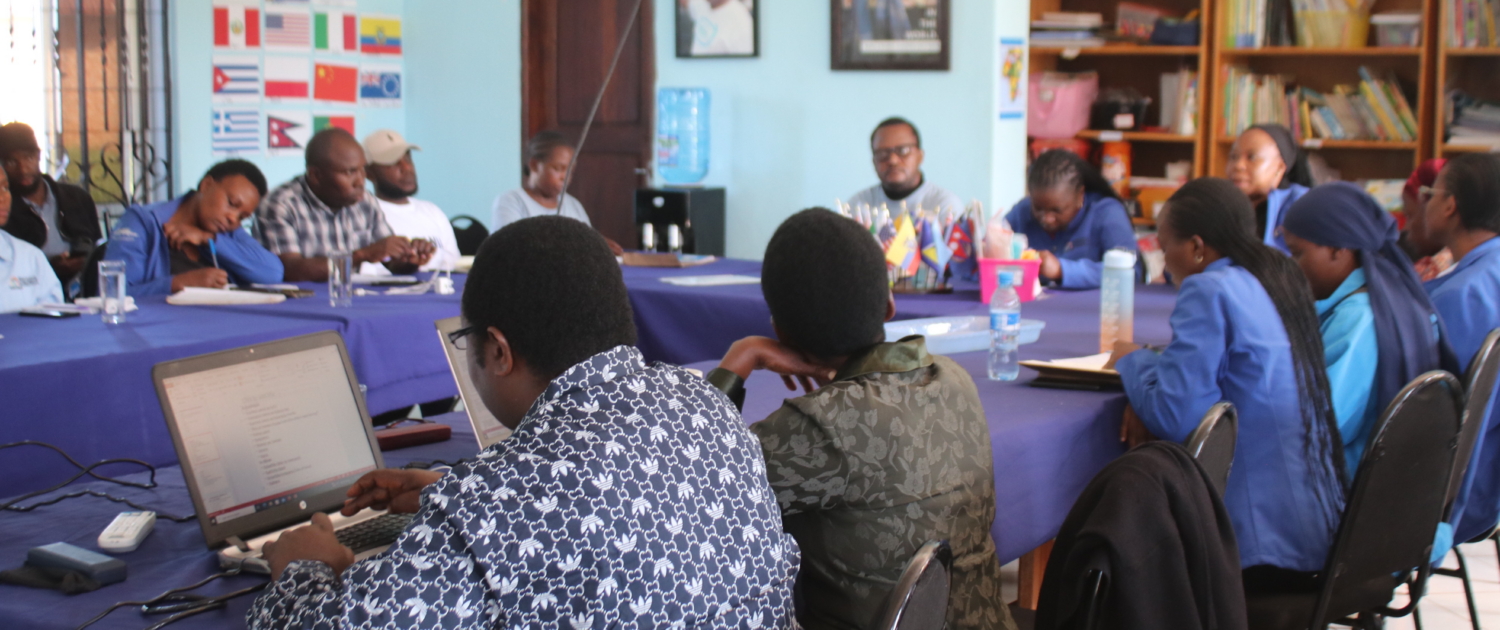
In 2025, the Mental Wellness Initiative hired GBV Program Manager Happy Sanga to strengthen confidential support and referral for people experiencing domestic violence, relationship conflict and family crisis. The University of Iringa provided GBV training for RCP Caregivers and community leaders. Volunteer mental health professionals work with Happy to expand village outreach and produce compelling educational materials to encourage victims to recognize and report abuse.
In 2026, staff Psychologist Jordan was hired in an effort to establish the first rural village-based GBV “One Stop Center” in Tanzania.
“A GBV One-Stop Center could provide a safe and confidential place where survivors can receive medical care, counselling, psychosocial support and appropriate referrals, said Dr. Silas. “By supporting people during some of their most difficult moments and reducing isolation, it can help address emotional distress before it develops into hopelessness and suicidal thoughts.”
As the coordinator of the Fathers of Goodwill Program, Jordan teaches young father strategies for family stability and resilience to the stressors of pervasive poverty. He maintains office hours at IGC and provides one-on-one psychosocial support to patients referred by medical staff and RCP Caregivers.
Volunteer and Student professionals are needed throughout the year to help advance projects to end suicidal ideation and gender-based violence. Learn how you can contribute your skills: Talk to a volunteer coordinator 651-407-6100
“The Mental Wellness Initiative has brought changes to a such extent that people are now willing to seek psychosocial help and support,” said Jordan. By strengthening mental health education and awareness programs in villages, schools and workplaces around Ukwega Ward, we can bring a sense of hope and change to individuals.”
This community activism is ahead of mental health awareness in most of Tanzania, Drs. Silas and Jordan agree. The Global Volunteers model of integrating short-term volunteers into long-term community projects has produced outcomes unseen in other regions. Dr. Silas concluded: “For the Ukwega community, mobilizing donors, partners and volunteers who are willing to support the fight against suicide may be the most realistic and effective solution, while continuing to work together with government structures and local leaders. I hope increased public discussion will help break the silence, reduce stigma and judgment, and encourage people experiencing emotional distress to seek help early. I’m also optimistic it will help families and community leaders recognize warning signs and respond with compassion rather than criticism.”
Volunteers with lived experience with substance abuse, domestic violence, depression and trauma, suicidal ideation and other mental health challenges are encouraged to share their stories of recovery and healing on a Tanzania Service Program. Mental health professionals can offer therapeutic practices and workshops to RCP staff and family members under the direction of local professionals. Call 651-407-6100 to discuss options, or request information here.


Leave a Reply
Want to join the discussion?Feel free to contribute!