
New Year’s Traditions Around the World: A Journey Through Five Countries
As the clock strikes midnight on December 31st, people across the globe celebrate the arrival of a new year with customs passed through generations. While champagne toasts and fireworks may be universal, the unique traditions that accompany this momentous transition reveal fascinating insights into different cultures. From running with suitcases in Peru to smashing pomegranates in Greece, let’s explore how five countries welcome the new year with hope, symbolism, and a touch of superstition.

Peru: A Rainbow of Rituals
In Peru, New Year’s Eve is a vibrant celebration filled with colorful symbolism and energetic traditions. As midnight approaches, Peruvians participate in the custom of eating 12 grapes, one for each stroke of the clock at midnight. Each grape represents a month of the coming year or a wish to be fulfilled, making this a sweet and hopeful way to set intentions for the months ahead.
Color plays a significant role in Peruvian New Year celebrations, particularly when it comes to underwear. Wearing yellow underwear is believed to bring luck and prosperity, while those seeking love might opt for red, and anyone hoping for financial success would choose green. White is reserved for those prioritizing health in the coming year. This tradition transforms an intimate wardrobe of choice into a powerful statement of one’s hopes and dreams.
Perhaps the most amusing Peruvian tradition involves running around the block with an empty suitcase at midnight. This energetic ritual is performed by those hoping to travel in the new year, with the empty suitcase symbolizing future adventures and journeys yet to come. Picture entire neighborhoods filled with people sprinting down streets with luggage in hand, all united in their wanderlust and optimism for the year ahead.

Greece: Ancient Wisdom Meets Modern Celebration
Greek New Year traditions beautifully blend ancient symbolism with festive celebration. The centerpiece of Greek New Year’s Day is the Vasilopita, a special cake baked in honor of St. Basil. Before cutting the cake, the head of the household makes the sign of the cross over it three times and then cuts slices for each family member, often starting with a slice for the house itself, then for the poor, and then for family members. Hidden inside is a coin, and whoever discovers it in their slice is believed to have good luck for the entire year. This tradition turns dessert into a moment of anticipation and excitement.
At the stroke of midnight, many Greek households engage in the dramatic tradition of smashing a pomegranate against their front doorstep. The fruit is thrown with force, and the more seeds that scatter, the more abundance and prosperity the family can expect in the coming year. The pomegranate has been a symbol of fertility, life, and good fortune in Greek culture since ancient times, making this a tradition rich with historical significance.
Greeks also observe the “first footer” tradition, where the first person to enter a home after midnight can influence the household’s luck for the entire year. Ideally, this should be someone with a good nature and gentle disposition, and they often bring gifts such as honey, wine, or sweets to ensure sweetness in the coming year.

Italy: Red, Lentils, and Letting Go
Italian New Year celebrations are steeped in symbolism, starting with the tradition of wearing red underwear, or “biancheria rossa.” Italians believe that wearing red undergarments on New Year’s Eve brings luck, love, and fertility in the coming year. This tradition is so popular that stores throughout Italy stock special displays of red lingerie in December, and many Italians purchase new red underwear specifically for the occasion.
The New Year’s Eve dinner, known as “Cenone di Capodanno,” features lentils served with cotechino or zampone, a type of pork sausage. The round, coin-shaped lentils symbolize money and prosperity, and eating them at midnight is believed to ensure financial success in the new year. The more lentils you eat, the reasoning goes, the more wealth you’ll accumulate. Pomegranates also appear on Italian New Year tables, representing fertility and prosperity with their abundance of seeds.
As midnight approaches, Italian skies light up with spectacular fireworks displays, particularly impressive in cities like Rome and Naples. These pyrotechnic shows serve a purpose beyond entertainment—they’re meant to scare away evil spirits and negative energy, clearing the way for a fresh, positive start to the year.
Cuba: Fire, Fortune, and Fresh Starts
Cuban New Year traditions reflect the island’s vibrant culture and its people’s desire to leave behind the old and embrace the new with optimism. One of the most dramatic customs involves burning effigies called “muñecos,” which are often crafted to represent the old year or symbolic figures from the past twelve months. As these dolls burn at midnight, Cubans believe they’re releasing old struggles, disappointments, and negative experiences, making room for positive energy and new opportunities.
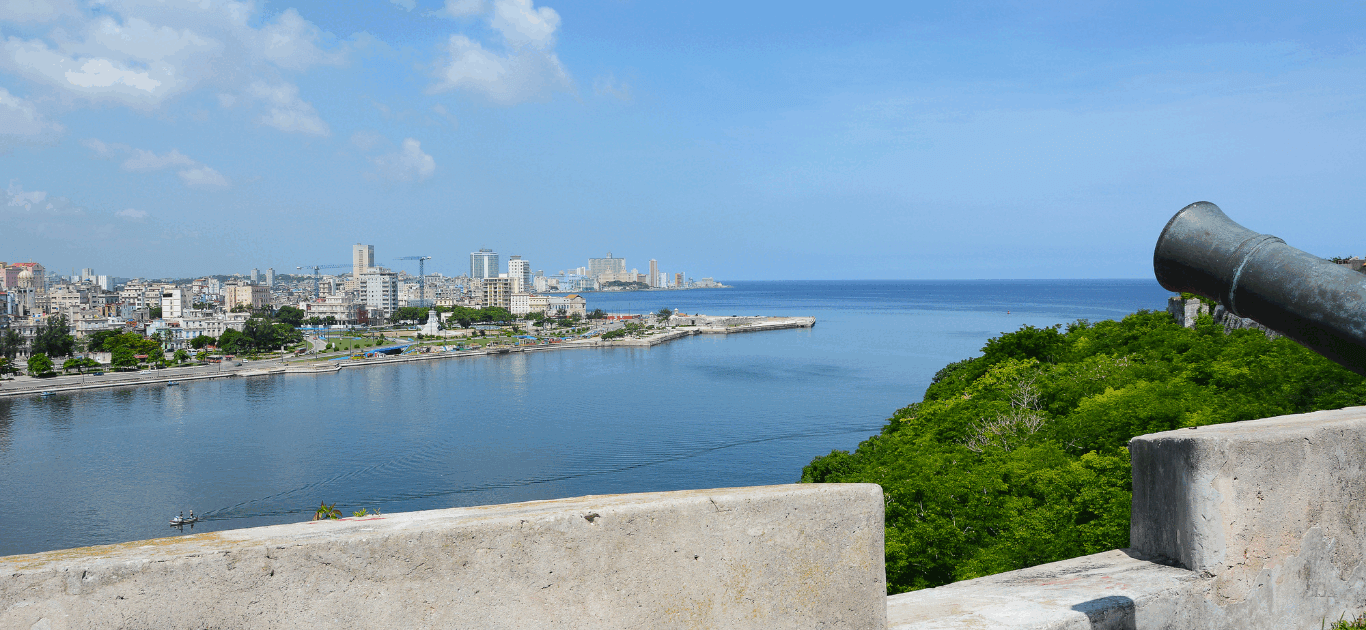
In Havana, residents and visitors are treated to a spectacular tradition: 21 cannon salutes fired from the historic San Carlos de la Cabana Fortress at midnight. This booming announcement of the new year echoes across the capital, creating a powerful and memorable moment that combines history with celebration.
Cubans also practice a charming money ritual at midnight—placing bills in their shoes or stepping on currency as the clock strikes twelve. This tradition is believed to ensure financial stability and prosperity throughout the coming year, literally putting yourself in a position to “step into” wealth and abundance.
Poland: Fishy Fortunes and Household Harmony
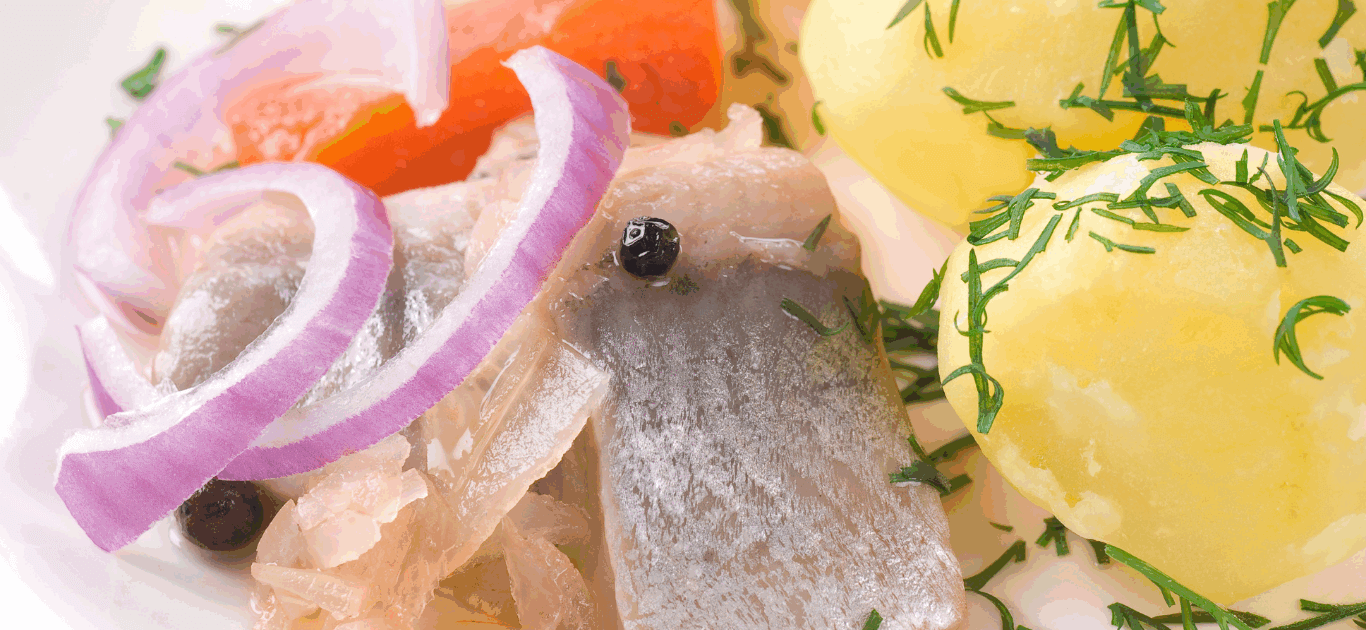
In Poland, New Year’s Eve is called “Sylwester,” named after Saint Sylvester, whose feast day falls on December 31st. Polish celebrations feature unique food traditions, including the custom of eating herring at midnight. This silvery fish is considered a symbol of abundance and prosperity, and consuming it as the new year begins is thought to bring good fortune.
Another fish-related tradition involves keeping carp scales in one’s wallet throughout the year. Many Polish families serve carp as part of their Christmas Eve dinner, and they save a few scales to carry as lucky charms. These shimmering scales are believed to attract money and ensure that the wallet never stays empty, serving as a constant reminder and talisman of financial well-being.
Polish wisdom also extends to household practices on New Year’s Day. Many Poles avoid cleaning on January 1st, believing that sweeping or tidying might inadvertently sweep away the good luck that has just arrived with the new year. This tradition offers a convenient excuse to relax and enjoy the first day of the year without worrying about chores, all while protecting the household’s fortune.
A World United in Hope
While these five countries each bring their own unique flavor to New Year celebrations, they share common themes: hope for prosperity, symbolic gestures to ensure good fortune, and the universal human desire for a fresh start. Whether you’re eating grapes in Peru, smashing pomegranates in Greece, wearing red underwear in Italy, burning effigies in Cuba, or keeping fish scales in your wallet in Poland, these traditions remind us that the turn of the calendar represents possibility and renewal.
As you prepare for your own New Year’s celebration this year, perhaps you’ll be inspired to adopt one of these international customs. After all, a little extra luck, prosperity, and positive energy never hurt anyone—no matter which tradition you choose to embrace.
Start 2026 with Purpose: Volunteer Globally
Global Volunteers offers you the opportunity to turn your New Year’s resolutions into meaningful action. Volunteering abroad allows you to experience these rich cultures firsthand while contributing to lasting positive change.
Instead of just running around the block with an empty suitcase hoping for travel, fill that suitcase with purpose and embark on a volunteer journey that will transform not only the communities you serve but also your own perspective on the world. Start 2026 with something truly positive, request information or contact your volunteer coordinator, explore volunteer opportunities, and make this the year you don’t just wish for a better world, but actively support the community development goals. Where will you go in 2026?
You may also like:


Leave a Reply
Want to join the discussion?Feel free to contribute!