
From Carrying Bricks to Leading a Clinic: Amilia Kikoti’s Triumph Over Adversity in Rural Tanzania
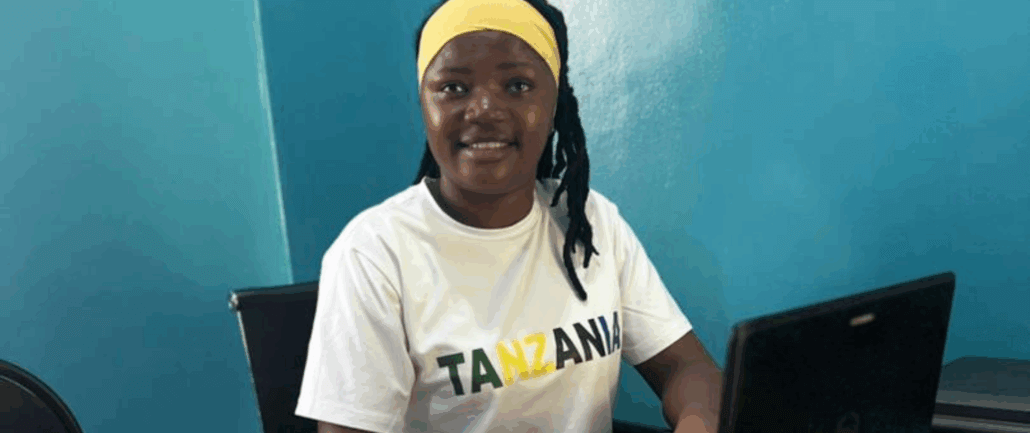
In the remote highlands of Tanzania’s Iringa Region, nestled at an elevation of about 5,000 feet, lies the small village of Ipalamwa. This rural community, home to the first families enrolled in Global Volunteers’ Reaching Children’s Potential (RCP) program, is the epitome of off-the-grid living—hours from the nearest city and accessible only by rugged dirt roads that wind through misty mountains and lush valleys. Here, subsistence farming is the way of life, with families relying on small plots of maize, beans, and vegetables to survive. Ipalamwa is a place of profound challenges: extreme poverty grips the region, where many rural Tanzanians live below $2 a day, and childhood stunting, a condition caused primarily by chronic malnutrition and infectious disease, affects many children, permanently hindering their physical and cognitive development for life. Amid this backdrop of hardship, stories of resilience emerge, none more inspiring than that of Amilia Telaka Kikoti, a local woman born and raised in Ipalamwa who rose from manual laborer to clinic manager, transforming her own life and the lives of countless families in her community.
Growing up in this isolated village, she witnessed firsthand the cycles of poverty that affect rural Tanzania: limited access to education, healthcare, and nutritious food, compounded by the daily grind of survival. After graduating from secondary school in Ipalamwa, Amilia took on whatever work she could find to support her family, which includes her mother, two brothers, and a sister. In 2017, she started working for a local contractor, carrying heavy bricks on her head to help build Global Volunteers’ guest house. This structure wasn’t just any building; it was designed to house international volunteers from Global Volunteers, an organization that would later become pivotal in her life. Those bricks, balanced precariously as she trudged along dusty paths, symbolized the weight of her early struggles, but also laid the foundation for something greater.
Global Volunteers, an international non-profit founded in 1984, partners with communities worldwide to mobilize short-term volunteers for long-term development projects. In Tanzania, their flagship initiative is the RCP Program, a comprehensive, child-focused, parent-driven, and volunteer-supported effort to eliminate childhood stunting and end poverty one child at a time. The program targets the first 1,000 days of a child’s life—from conception through age two—and continues through the 18th birthday to eradicate hunger, improve health, and enhance cognitive development. RCP enables parents, especially mothers, to better raise their children through science-based educational workshops on health, nutrition, and hygiene, regular home visits, early childhood development, and sustainable gardening. Volunteers assist in building homestead infrastructure like chicken coops, energy-efficient stoves, and water catchment systems, while also teaching conversational English, providing healthcare screenings, and supporting women’s cooperatives to improve village economic conditions. The RCP’s impact is tangible; in Ipalamwa and surrounding villages, the prevalence of childhood stunting has dropped significantly, giving children a fighting chance to reach their full potential.
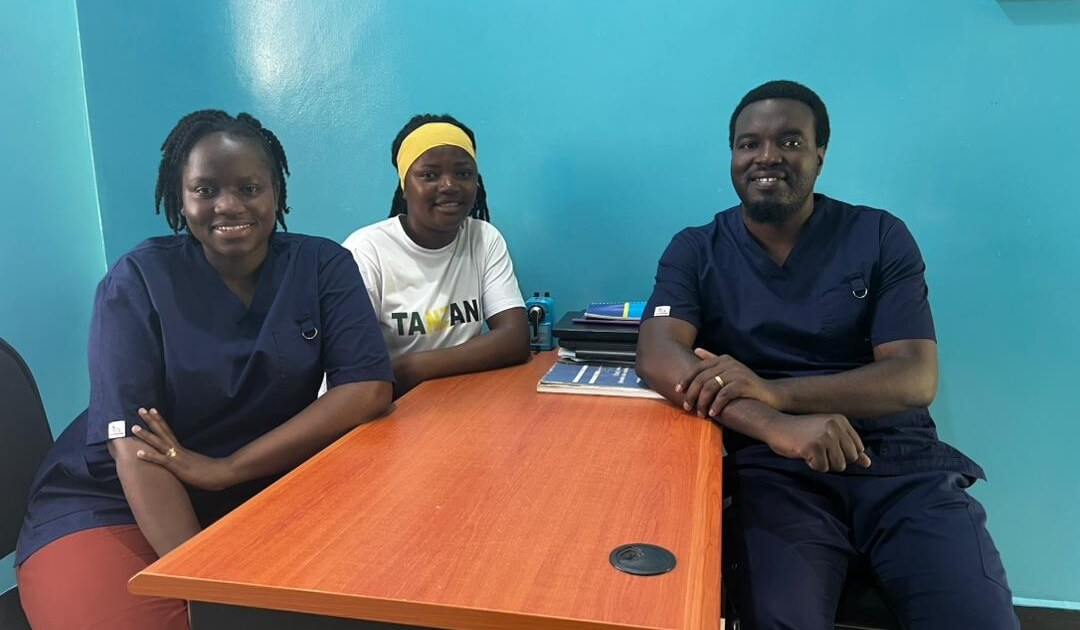
Amilia’s path intersected with Global Volunteers shortly after her brick-carrying days. She first worked as a matron for primary school students at Star International Primary School in nearby Iringa, where she honed her skills in caregiving and education. This experience ignited her passion for community development. Joining the RCP Program as a housekeeper, an assistant team leader, and then an associate caregiver, Amilia connected with the heart of the effort. Her work included home visits to families, where she encouraged mothers to provide nutritious meals and taught basic physical therapy exercises to aid child development. She translated volunteer-conducted workshops from English to Swahili, ensuring accessibility, and monitored children’s growth, recording milestones that marked progress against malnutrition.
One poignant example of her impact was with Upendo, a mom whose child struggled with mobility issues. With Amilia’s guidance, Upendo utilized RCP resources like balanced meals and targeted exercises, and her child improved. “RCP mothers are eager to learn more about childcare,” Amilia has shared, highlighting the program’s role in fostering sustained behavior changes, such as boiling drinking water and using hand-washing stations to prevent disease. These efforts are crucial in a region where rural poverty leads to health crises.
But Amilia wanted to learn more, and she was capable of doing more. Recognizing her tremendous dedication and remarkable potential, Global Volunteers raised money from several very generous past volunteers so Amilia could continue her education. She attended and graduated from the University of Iringa with a Bachelor of Arts in Community Development—a program designed to equip students with skills in project management, social analysis, and human and economic development strategies. This degree, offered at one of Tanzania’s respected institutions, focuses on addressing community needs through sustainable initiatives, perfectly aligning with Global Volunteers’ philosophy of service.
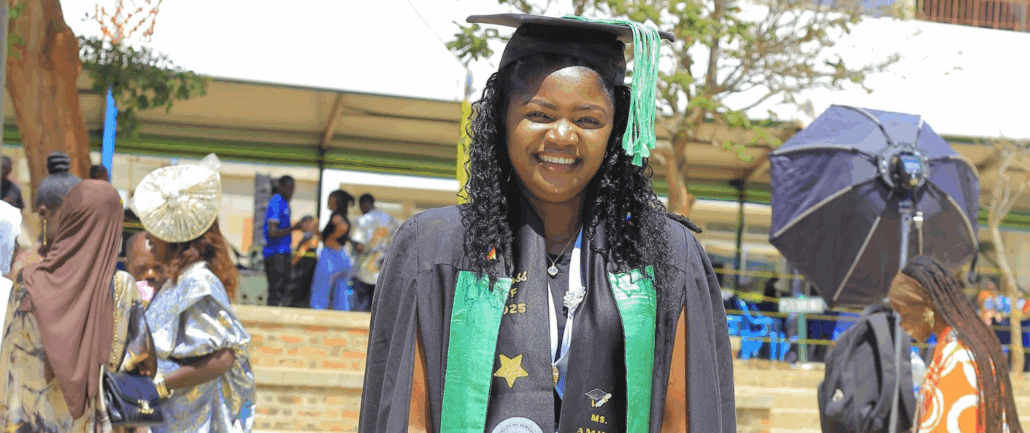
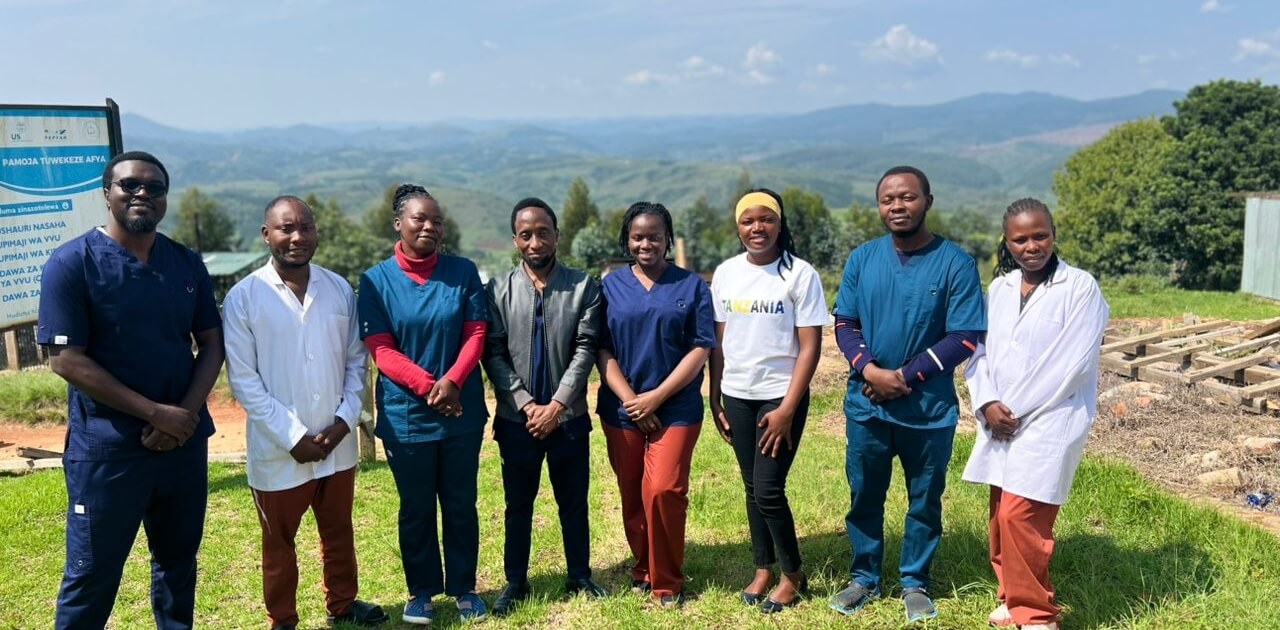
Her studies and commitment paid off. A few months after returning to Global Volunteers employment as a caregiver, Amilia was promoted to clinic manager of the Ipalamwa General Clinic (IGC), a vital hub of the RCP Program. Working in close collaboration with Dr. Silas Mosha, the chief medical officer, and eight other medical staff, Amila manages her team and oversees the clinic’s non-medical functions. The IGC, which sees 100 patients per week on average, provides basic health care including prenatal screening and counseling, vaccinations, deliveries, family planning, and mental health support. The recent addition of a new operating theater expanded the clinic’s capacity to perform C-sections and emergency surgeries, and doubled the size of the clinic building. In a village at the top of the mountain and at the end of the road, where the nearest hospital is hours away, this facility is a lifeline, reducing maternal and child mortality rates and embodying the RCP’s holistic approach to health, nutrition, and education. The clinic expansion also offers opportunities to engage additional volunteer professionals such as surgeons, anesthesiologists, and others, to help perform procedures and educate clinic staff.
Amilia’s story is a wonderful tale about one person’s achievement, but it is more than just personal success; it presents a beacon of hope for Ipalamwa and all the young women and men in the Ukwega ward. In a country where rural poverty is extreme, with high rates of persistent hardship and downward mobility, her ascent challenges the status quo. Amilia proves that with determination, education, community support, and confidence expressed by an external organization like Global Volunteers’ executive team, individuals can grow and contribute to their community in ways that might have only been held in ones imagination.
As Amilia manages the IGC today, her work over the years has helped countless children avoid the lifelong effects of stunting, enabling them the opportunity to grow into healthy, educated adults. In her words, “the joy comes from seeing families adopt new practices that last.” For volunteers and donors, Amilia represents the program’s core belief that local leadership drives positive change.
In the misty highlands of Ipalamwa, where poverty once seemed insurmountable, Amilia Kikoti’s journey reminds us that profound transformation starts with one person’s resolve. From carrying bricks on her head to leading healing efforts with her head, she embodies resilience, education, and community spirit. Her story inspires us to support initiatives like the RCP Program, volunteer our time, and share our resources to help more villages thrive. In the many communities like Ipalamwa, where every brick laid—and every life uplifted—volunteer catalytic support helps build a brighter future for generations.
You may also like:


Leave a Reply
Want to join the discussion?Feel free to contribute!