
A New Era of Maternal Health: IGC Operating Suite Opens in Ukwega Ward
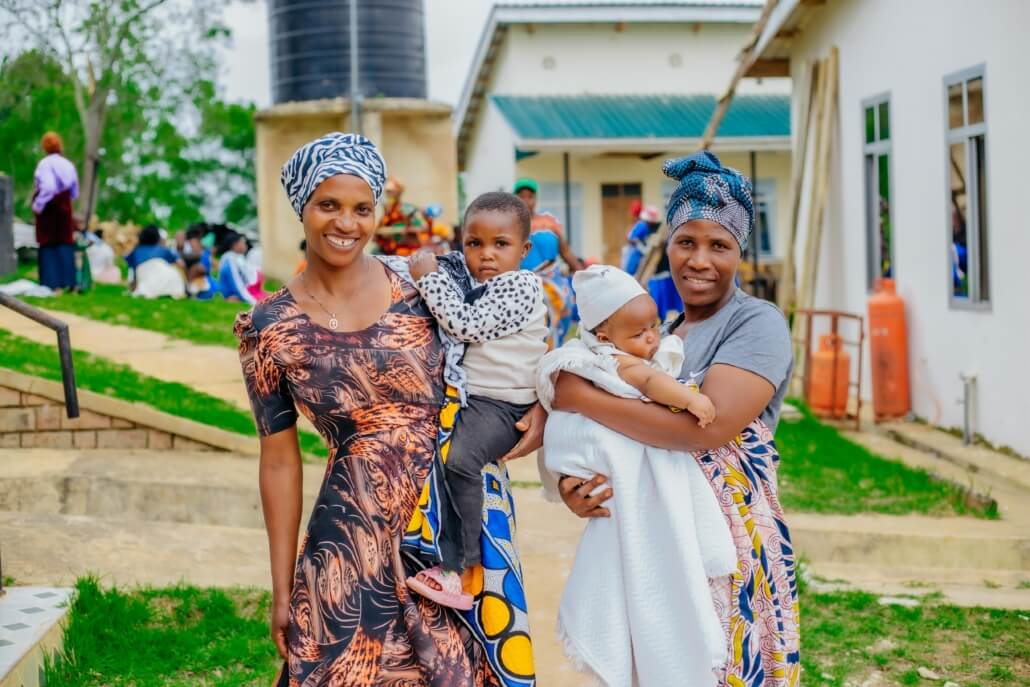
The Ipalamwa General Clinic’s new Operating Suite is a significant step in advancing maternal health and strengthening families in rural Tanzania. As part of the RCP Program, the clinic aims to address the root causes of maternal and infant mortality by providing high-quality health services, improving access to essential care, and promoting healthy practices. With a focus on comprehensive maternal and child well-being, the new facility offers a lifeline for families in the Ukwega Ward, providing them with better healthcare options, safer deliveries, and the resources needed to build healthier futures.
The State of Maternal Health in Tanzania
Tanzania is one of the most dangerous places to become a mother, with a maternal mortality rate of 524 maternal deaths per 100,000 live births1 —significantly higher than the 19 per 100,000 in the U.S.2. Many Tanzanians live in rural areas, relying on government dispensaries for basic care3, including antenatal, postnatal, and delivery services4. However, these dispensaries often lack skilled staff 5, medicines, and essential equipment6, and may even face running water and electricity shortages7.
For more advanced treatment, patients must be referred to health centers or hospitals, but emergency obstetric care, such as C-sections, is often unavailable locally8. The limited access to quality health services, coupled with the long distances to hospitals, contributes to Tanzania’s high maternal mortality rate.
Tanzanian mothers’ limited access to quality health services and other barriers, such as long distances to hospitals, are associated with increased maternal mortality9.
Comprehensive Maternal Care at Ipalamwa General Clinic
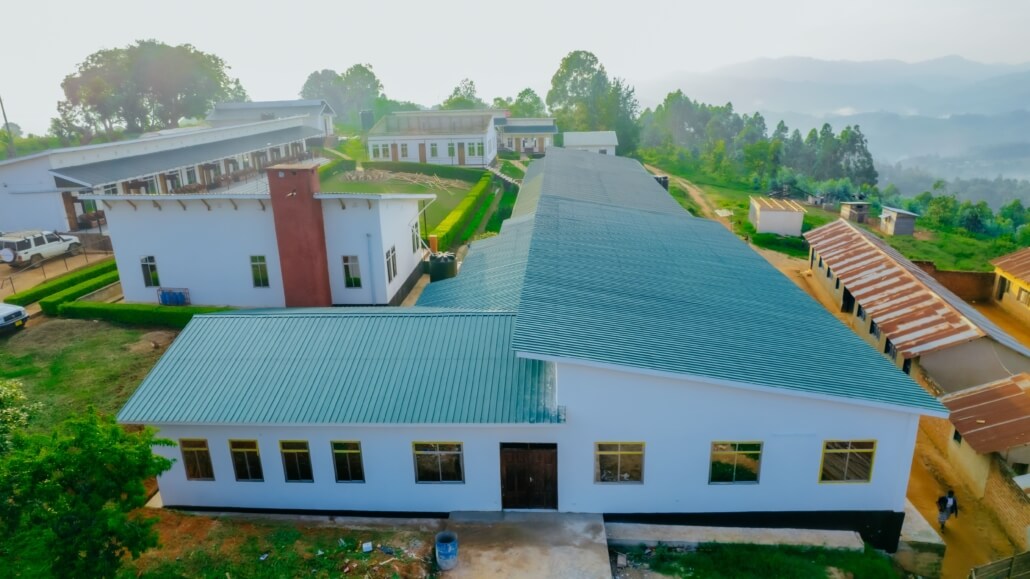
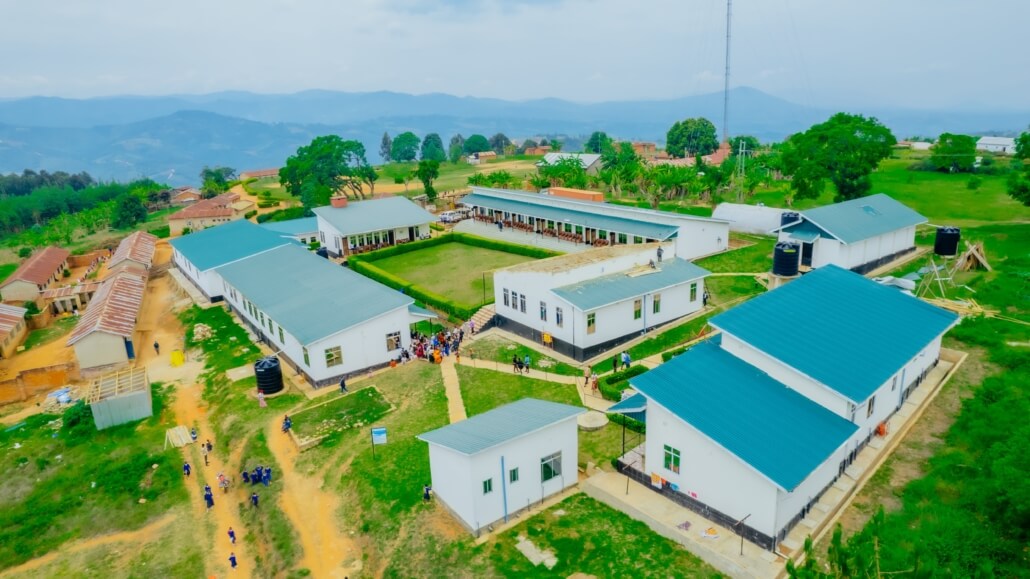
The Ipalamwa General Clinic (IGC) is a vital part of the RCP Program in Ukwega Ward, south-central Tanzania, delivering quality prenatal and postnatal care to women. Run by Global Volunteers in partnership with ELTC-IRD, the clinic offers free medical services and medication to 874 enrolled families and all adults over 60.
Expectant mothers in the program receive prenatal check-ups, ultrasounds, and the option to stay at the nearby Peter J King House for New Moms (HNM) for up to two weeks before delivery, ensuring round-the-clock care. This level of service is rare in rural Tanzania.
“Life has been different since we started working with the RCP program. I love everything about the program because I find everything to be a benefit.“
~ Ruth Duma, RCP Mother
Equipped with advanced medical tools, the IGC provides exceptional care using ultrasound, fetal monitors, incubators, and other essential equipment for maternal and newborn health.
Ruth Duma, an RCP mother, shares her experience about the IGC, “Life has been different since we started working with the RCP program. I love everything about the program because I find everything to be a benefit. Formerly, we only had a small dispensary, and many patients would be referred to Iringa since they couldn’t accommodate a lot of health issues. It was difficult to get transportation to Iringa, and this would cause many deaths on the way, or for moms to deliver their babies on the way. But since the program was introduced and we have the Ipalamwa General Clinic, everything has been very smooth, especially getting care for pregnant women. Now we can get the services here, and we are helped with the transportation if there is any complication that cannot be attended to at the Ipalamwa General Clinic. We are very grateful and happy to have this kind of service.”
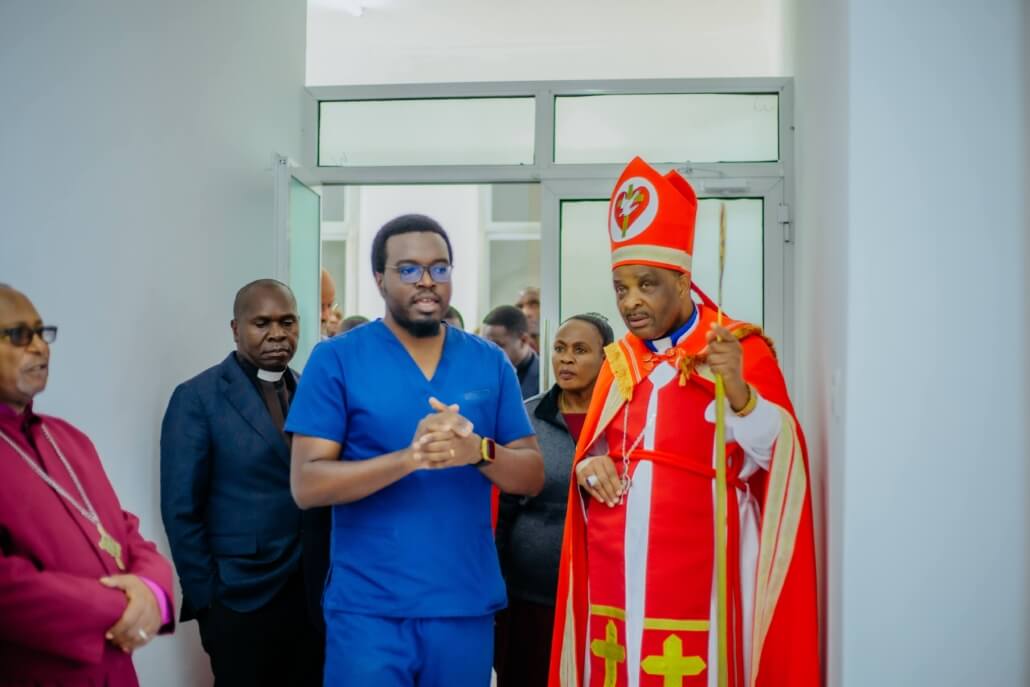
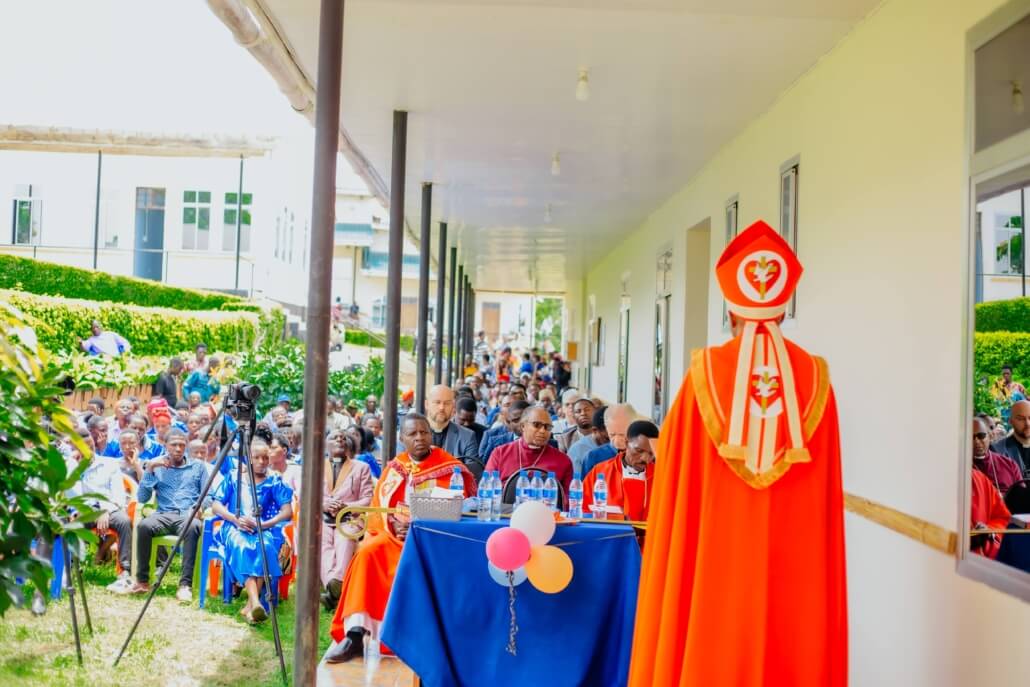



The Ipalamwa General Clinic Operating Suite
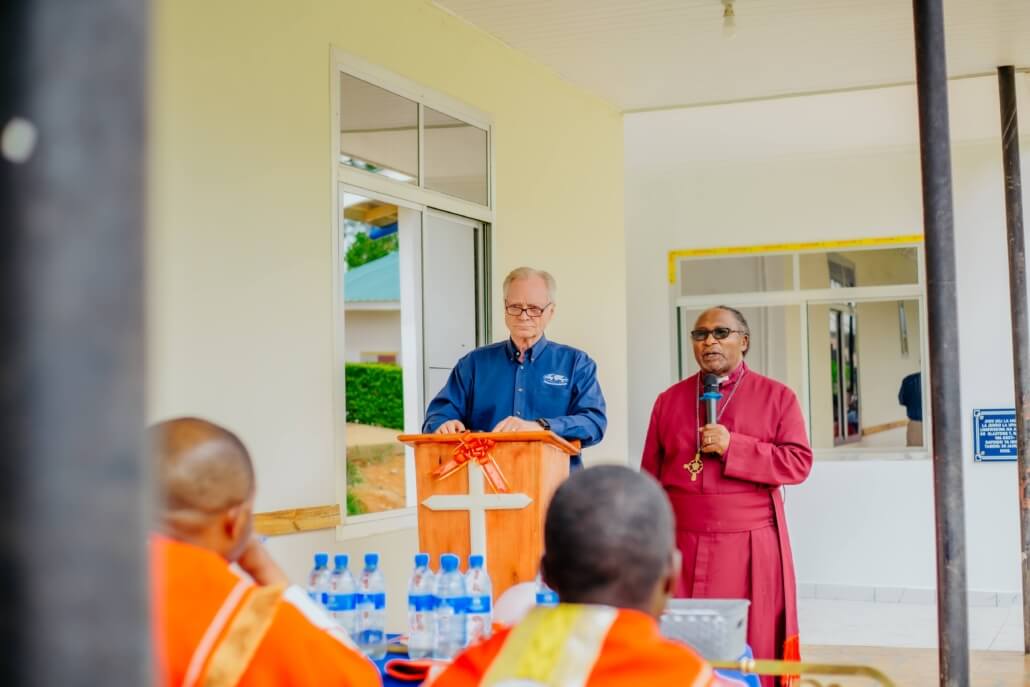
The opening of the Ipalamwa General Clinic (IGC) Operating Suite marks a crucial step forward in enhancing healthcare for mothers and newborns in rural Tanzania. This addition brings the clinic closer to upgrading its status to a health center and will enable more advanced medical care for families across ten villages in the Ukwega Ward.
“It will eliminate the mortality risk for mothers who live far from hospitals and need a C-section.”
~ Dr. Silas Mosha, IGC’s Chief Medical Officer
Currently, about 20% of births in the area occur at IGC, with a higher percentage in nearby villages. However, women needing C-sections have had to travel up to two hours to hospitals in Ilula or Iringa, a journey that becomes even riskier during the rainy season. Since 2018, 59 women—around 20% of all IGC deliveries—have been referred for C-sections elsewhere, facing significant risks due to the long distances.
Dr. Silas Mosha, IGC’s Chief Medical Officer, emphasizes the Operating Suite’s importance: “It will eliminate the mortality risk for mothers who live far from hospitals and need a C-section.” The suite offers state-of-the-art facilities, including a recovery wing with private rooms and a temperature-controlled Kangaroo Room for special newborn care.
Additionally, the IGC is setting up a referral network with local dispensaries, ensuring that more families can access the new services. While the primary focus will be C-sections, the suite will also accommodate other surgical procedures in a safe, sterile environment.
This Operating Suite is a game-changer for maternal healthcare in the Ukwega Ward, significantly reducing the need for long, dangerous commutes and offering quality post-operative care.
Volunteer Your Skills to Improve Maternal Health in Tanzania
The opening of the IGC Operating Suite marks a critical step in improving maternal healthcare in rural Tanzania, but there is still much work to be done. The facility will be completed during October, after which installation of the surgical equipment will begin. Meanwhile, the Evangelical Lutheran Church in Tanzania (ELCT) is hiring new staff, one additional doctor and two nurse anesthetists, to prepare for operations.
Looking ahead, we are excited to welcome medical professional volunteers to serve in the Operating Suite beginning in 2026. Dedicated healthcare professionals—doctors, nurses, midwives, and other specialists— are needed to provide patient care, health screenings, and dental and eye exams at Global Volunteers’ modern clinic. Counsel pregnant women on prenatal care and nutrition, peri-natal depression, and practices for safe deliveries and healthy babies. Your skills and expertise can make a profound impact, addressing the urgent need for quality healthcare services and supporting families who would otherwise face significant risks during childbirth.
Join us in this transformative program and help change the course of maternal health in rural Tanzania. Your skills can save lives and make a lasting difference.
End notes
- World Bank. (2019). “Maternal mortality ratio (modeled estimate, per 100,000)”. World Development Indicators. https://data.worldbank.org/indicator/SH.STA.MMRT
- World Bank. (2019). “Maternal mortality ratio (modeled estimate, per 100.000)”. World Development Indicators. https://data.worldbank.org/indicator/SH.STA.MMRT?most_recent_value_desc=false
- Boex, Jamie, Fuller, Luke, Ammar Malik. (2015). Decentralized Local Health Services in Tanzania: Are Health Resources Reaching Primary Health Facilities, or Are They Getting Stuck at the District Level? The Urban Institute. https://www.urban.org/sites/default/files/publication/51206/2000215-Decentralized-Local-Health-Services-in-Tanzania.pdf
- Straneo, Manuela, Benova, Lenka, Hanson, Claudia, Fogliati, Piera, Pembe, Andrea B., Smekens, Tom, Thomas van den Akker. “Inequity in uptake of hospital-based childbirth care in rural Tanzania: analysis of the 2015–16 Tanzania Demographic and Health Survey”. Health Policy and Planning 36, no. 9 (2021):1428–1440. https://doi.org/10.1093/heapol/czab079
- Hanson, Claudia, Ronsmans, Carine, Penfold, Suzanne et al. “Health system support for childbirth care in Southern Tanzania: results from a health facility census”. BMC Research Notes 6, 435 (2013). https://doi.org/10.1186/1756-0500-6-435
- Mkoka, Dickson Ally, Goicolea, Isabel, Kiwara, Angwara et al. “Availability of drugs and medical supplies for emergency obstetric care: experience of health facility managers in a rural District of Tanzania” BMC Pregnancy Childbirth 14, 108 (2014). https://doi.org/10.1186/1471-2393-14-108
- Ministry of Health and Social Welfare (MoHSW) [Tanzania Mainland], Ministry of Health (MoH) [Zanzibar], National Bureau of Statistics (NBS), Office of the Chief Government Statistician (OCGS), and ICF International. (2015). Tanzania Service Provision Assessment Survey (TSPA) 2014-15 – Key Findings. Dar Es Saalam. https://www.dhsprogram.com/pubs/pdf/SR228/SR228.pdf
- Straneo, Manuela, Benova, Lenka, Hanson, Claudia, Fogliati, Piera, Pembe, Andrea B., Smekens, Tom, Thomas van den Akker. “Inequity in uptake of hospital-based childbirth care in rural Tanzania: analysis of the 2015–16 Tanzania Demographic and Health Survey”. Health Policy and Planning 36, no. 9 (2021):1428–1440. https://doi.org/10.1093/heapol/czab079
- Hanson, Claudia, Cox, Jonathan, Mbaruku, Godfrey et al. “Maternal mortality and distance to facility-based obstetric care in rural southern Tanzania: a secondary analysis of cross-sectional census data in 226 000 households”. The Lancet Global Health 3, no.7 (2015): 387–395. https://doi.org/10.1016/S2214-109X(15)00048-0


Leave a Reply
Want to join the discussion?Feel free to contribute!