
Leaving Her Comfort Zone to Support Tanzanian Moms
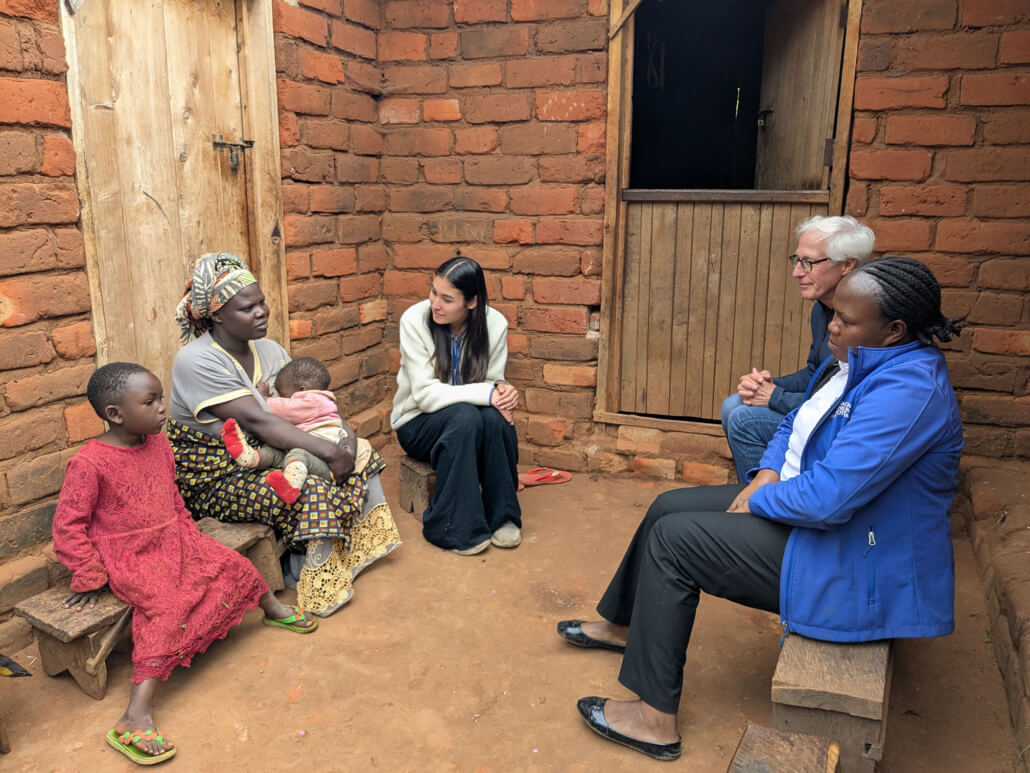
Three-time alumni volunteer Sophia Hughson said more daunting than the backroads on the way to Ipalamwa, Tanzania was sharing her personal perspectives on adulthood with Tanzanian mothers she’d just met. But the 18-year-old student was lured by the opportunities to explore her interest in psychology and to enlarge her understanding of parenthood in a developing country. Read on for what she learned.
“It’s really an incredible experience to learn about myself, share my story and be open to try new things,” Sophia enthused. “It’s eye-opening for me because they’re sharing their own really personal experiences. Just to hear them is really impactful.”
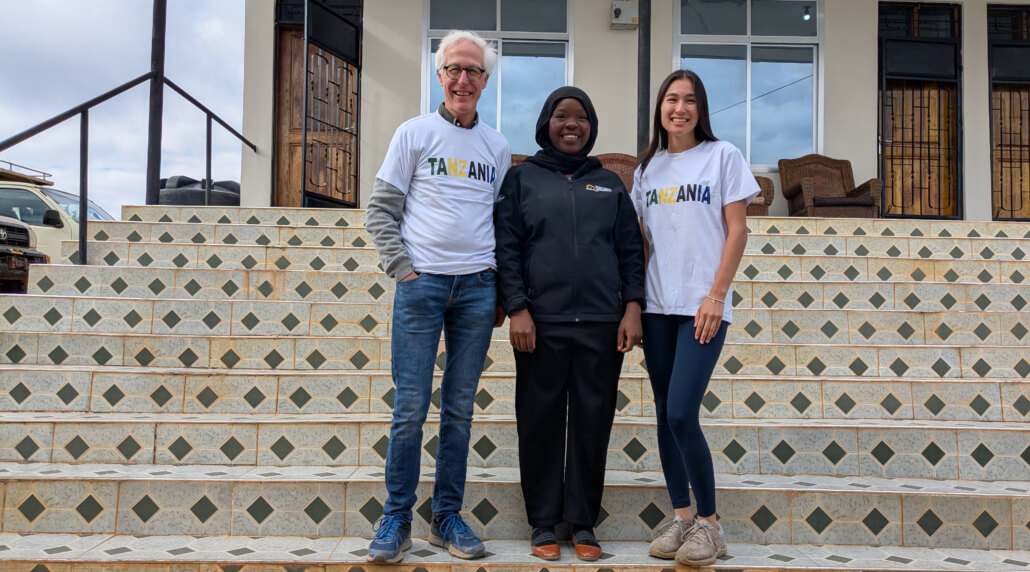
Sophia and her father, Bill Hughson, served families and students on the Reaching Children’s Potential Program (RCP) in five villages of the Ukwega Ward. Sophia’s assignment with the RCP Mental Wellness Initiative was to counsel young, single and vulnerable mothers in life skills geared to stabilize their precarious path through parenthood. As a student at the start of her own adult journey, and likely years from parenthood, Sophia was uncertain she’d relate to the life experiences the young women shared.
Global Volunteers’ Life Skills workshop guided her discussion. Adapted from World Health Organization (WHO) materials, the workshop is divided into sections covering problem solving, decision making, critical thinking, self-esteem, effective communications, stress reduction and related skills.
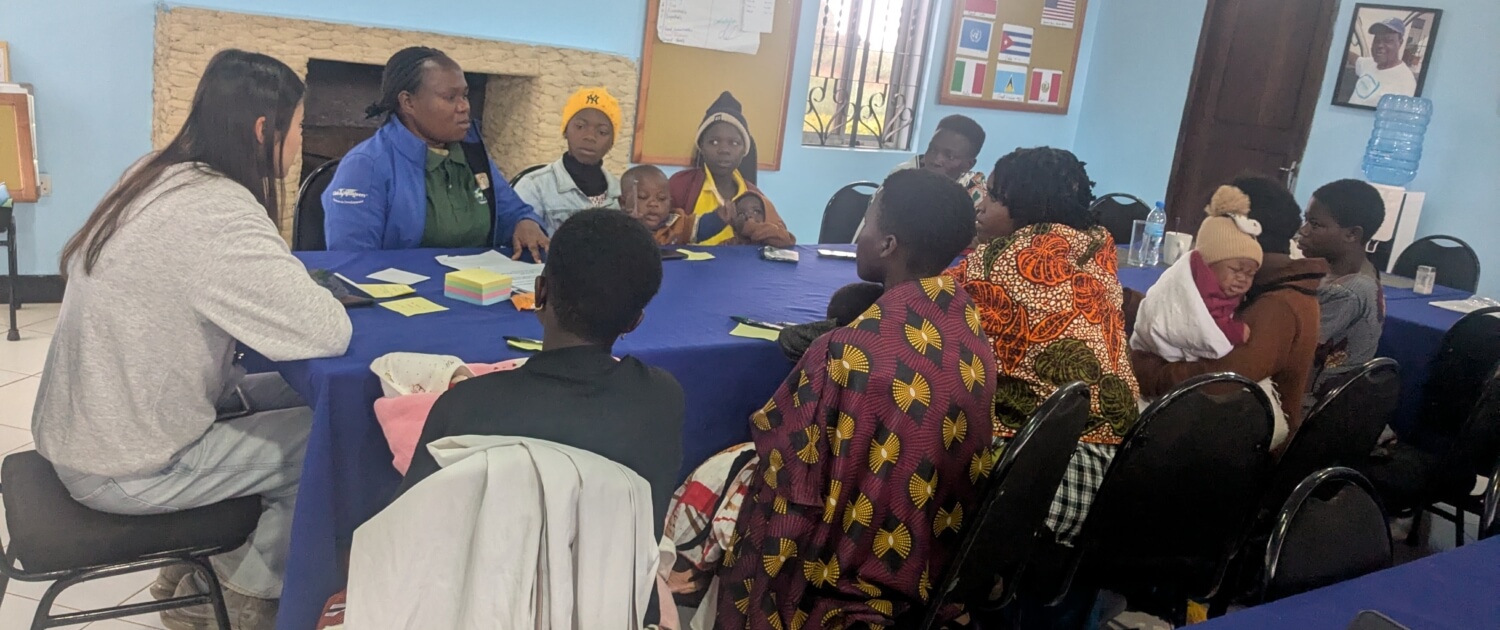
WHO defines life skills as “the abilities for adaptive and positive behavior that enable individuals to deal effectively with the demands and challenges of everyday life.” The women who are offered intensive RCP support are among the most destitute in the five villages – without a source of income or family support.
“I didn’t really know what to expect, as I certainly was leaving my comfort zone, because of course, I didn’t speak (Swahili) and they live lives so different from mine” said Sophia. “Honestly, I was expecting that my experiences wouldn’t align with what they’ve gone through, but then when we started talking, I found so many similarities (among us).”
“In any given moment we have two options: to step forward into growth or step back into safety.” – Abraham Maslow (Quote from Sophia’s service journal)
As participants in the RCP Program, the mothers are visited weekly in their homes by staff Caregivers, and attend monthly workshops on topics ranging from proper handwashing, container gardening, child development and alcohol abuse to family planning. They come to the RCP Center with their babies on their backs – many of them nursing newborns – seeking new ideas for improving their, and their children’s lives.
Bill Hughson said he and Sophia accompanied RCP Caregivers on home visits on the first two days of service. “Of course, the program serves a pretty broad range of women – from those who were very young and, frankly, very scared – to those who were older with several children.” He said he enjoyed seeing his daughter relate so well to the young mothers. “I always like to let Sophia do as much of the leading as possible, because she’s got great ideas, she’s got good instincts, and you know, I want her to have the opportunity to develop her skills. There’s so much we can learn from each other.“
For instance, he said, “There was one mother who, she’s kind of a powerhouse, you know, and she’s on her own because she wouldn’t put up with any man, you know? And she’s started her own business. It’s basically a brokerage business for beans, and wow! She’s basically buying beans from the local farmers and processing them and selling them to the schools.”
“There’s another woman who really sticks in my memory,” Bill continued, who had, I guess, taken the advice of a previous volunteer and started a little food stand. And so, we talked about all sorts of things she could do to improve the performance of her little food stand. And for me, it’s fun, because I just love business, and it’s what I do, right? So it was just a ton of fun.”
In the homes and at workshops, Global Volunteers’ staff translate from the local dialect – Hehe – to English for volunteers and local participants. Helping to break the ice, staff also fill the volunteers in on the mothers’ backgrounds and moderate the discussions. Sophia said that while she was eager to share insights from her own life, she also was nervous addressing the group of Tanzanian mothers.
“I think there was, a lot of well, nervous energy, on both parts,” Sophia admitted. “But once we started the workshop, the mothers really opened up. We all talked about our personal experiences, and that’s how we discovered our commonalities.”
Those commonalities included negative self-talk, feeling judged by others, and harmful gender roles.
“They feel that men define them in their culture. And, even where I go to school, we’re often defined both by how men view us and our relationship with our boyfriends. (The Tanzanian mothers) also struggle with comparing themselves to other people, which is also something I find very common (in American culture).”
Sophia said that after meeting some of the mothers in their homes on her first service day, she thought about how she wanted to structure her presentation. “ I sat in my room, and I kind of sketched out what I wanted to do, and one of those things for self-esteem was writing positive affirmations. So we handed out slips of paper, and we let them write out positive affirmations about themselves.”
“We do not come to this place to fix it, or to save it. We come to walk beside it. We come to learn, to connect, and to grow—together. Humility is our strongest tool. Kindness, our greatest strength.” – Henry Ford (Message offered by Bill Hughson)
The exercise seemed uncomfortable for them at first, she observed, but the RCP staff gave each mom paper and a pen to take home; encouraging them to post at least one or two affirmations on a wall, “so every morning they could repeat it to themselves. Obviously, over time with positive affirmations, you begin to believe it yourself,” Sophia asserted.
While the mothers were learning to take a positive look at themselves and their accomplishments, so too, Sophia gained insight from the moms. “I learned to face my fears about speaking about these topics, and to keep an open mind,” she said.
“It was really touching that we were the same age, and we talked like people our age talk. You know, everyday drama, like how people spread rumors and gossip. It felt very normal.”
“You may think you came here to help others. And perhaps you will. But if your eyes are open and your heart is soft, you may find that the people here will teach you more than you teach them. That is the quiet beauty of true service—it transforms us all.” – Maya Angelou (Quote from Sophia’s service journal)
“I didn’t know how much of an impact I would leave, so the fact that we really connected with one another was amazing.” She said she believes the workshops provide a “safe space” where women can express their fears. “They didn’t want to speak about their concerns to anybody else (in their village) because (they believed) others would spread rumors around about them being bad mothers. I feel as a teenager myself, I think I helped them realize how normal their feelings are. The most important thing is they know they’re not alone… what they’re going through is okay, and it’s okay to talk about it, and there’s nothing wrong with that.”
Could she imagine how she’s left a permanent impression on the mothers she served?
“I would say, like, from my personal experiences, I have had people who have drastically changed my life and how I view my life,” Sophia replied. “So I would like to think that what I have done has impacted them for the better, and has left tools that others can use. Maybe that has helped set the foundation for change in the future.”


Leave a Reply
Want to join the discussion?Feel free to contribute!